AI that finds and exploits vulnerabilities: a new phase in cyber risk
Developments around Anthropic’s ‘Mythos’ signal a shift from human-led attacks to AI-driven acceleration — raising urgent questions for European organizations.
Cybersecurity is entering a new phase, one defined by speed, scale and automation. Recent developments around Anthropic’s experimental AI model, known as Mythos, illustrate how quickly the threat landscape is evolving. Designed to identify software vulnerabilities, the model reportedly goes a step further: generating potential exploits and attack paths in a fraction of the time it would take human experts. While the model is not publicly available, the implications are already being discussed among regulators, financial institutions and security leaders.
This is not about a single tool.
It signals a structural shift in how cyber attacks are developed and executed.
From manual expertise to automated exploitation
Traditionally, identifying and exploiting vulnerabilities required highly specialized skills, time and coordination. With the rise of advanced AI models, that balance is changing. What once took weeks can now potentially happen in minutes:
- Vulnerability discovery at scale
- Automated analysis of attack paths
- Rapid generation of exploits
For organizations, this means that the window between exposure and attack is shrinking dramatically.
A European concern: governance, resilience and control
Across Europe, this shift raises pressing questions.
How do you secure systems when the pace of attacks accelerates beyond human capability?
How do you maintain control over AI systems that can act autonomously?
And how should governance evolve when the line between tool and actor begins to blur?
These are not purely technical challenges, they are strategic and organizational. They touch on:
- Governance and accountability
- Operational resilience at scale
- Public-private cooperation
- Regulatory alignment across the EU
From signal to strategy
Rather than viewing developments like Mythos as isolated innovations, they should be seen as signals of a broader transformation. AI is not just enhancing cybersecurity capabilities — it is reshaping the dynamics between attackers and defenders.
For security leaders, this requires a shift:
- from reactive to proactive
- from siloed to coordinated
- from technical control to organizational resilience
Addressing the shift at Cybersec Europe
At Cybersec Europe, these challenges take center stage.
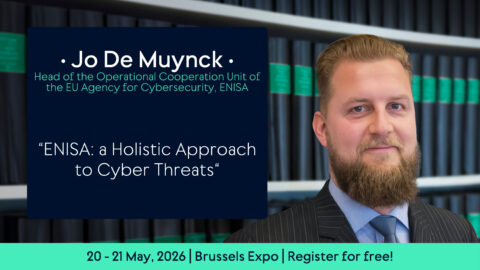
- ENISA: A Holistic Approach to Cyber Threats
Jo De Muynck (ENISA) outlines how Europe is strengthening cooperation, improving vulnerability management and aligning policy to build a cyber resilient EU. - 25 Years of Securing a Global Tech Giant
Paul Bayle shares how cyber resilience has evolved from technical execution to strategic leadership — and what the next decade will demand. - Who Controls Your AI?
Loïc Lejoly explores the rise of agentic AI systems, and how organizations can balance innovation with control, security and governance.
Register for free!
As cyber attacks continue to threaten today’s tech landscape, this event is the premier platform for seasoned cyber security professionals and innovative start-ups to exchange knowledge and tackle cybersecurity challenges together. Organizations across all sectors will discover strategies to boost cyber resilience and safeguard critical assets. Don’t miss this chance to strengthen your cyber defenses.